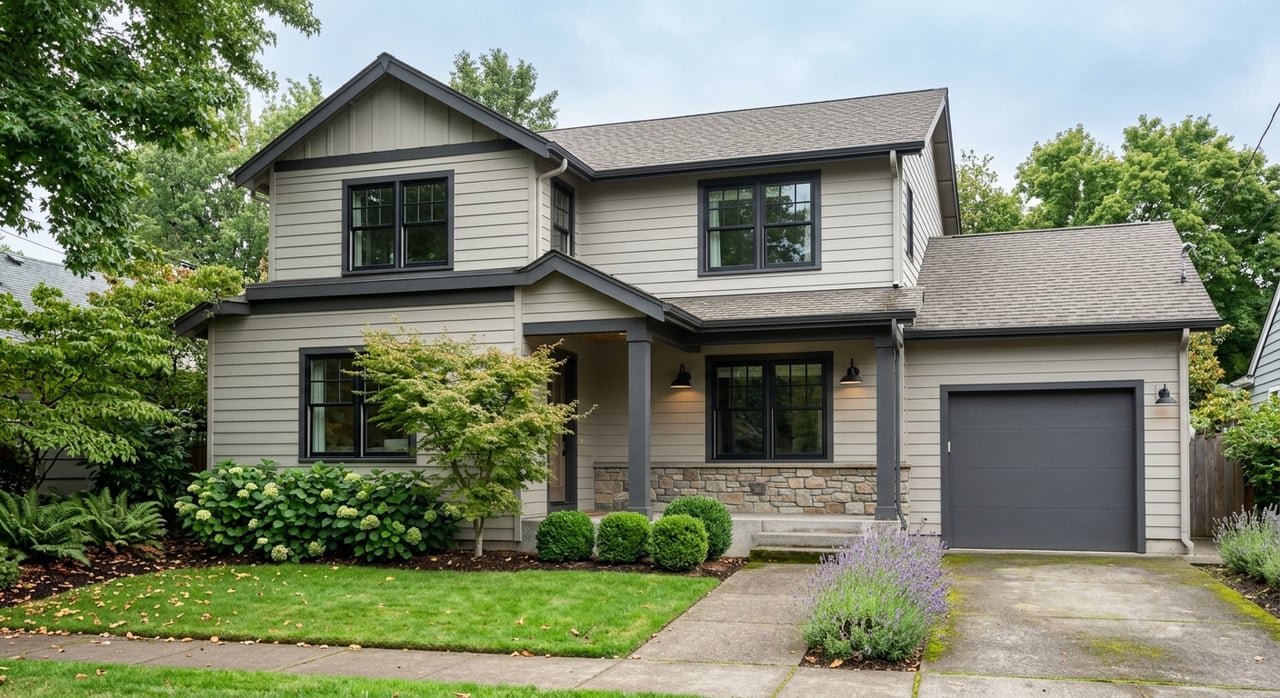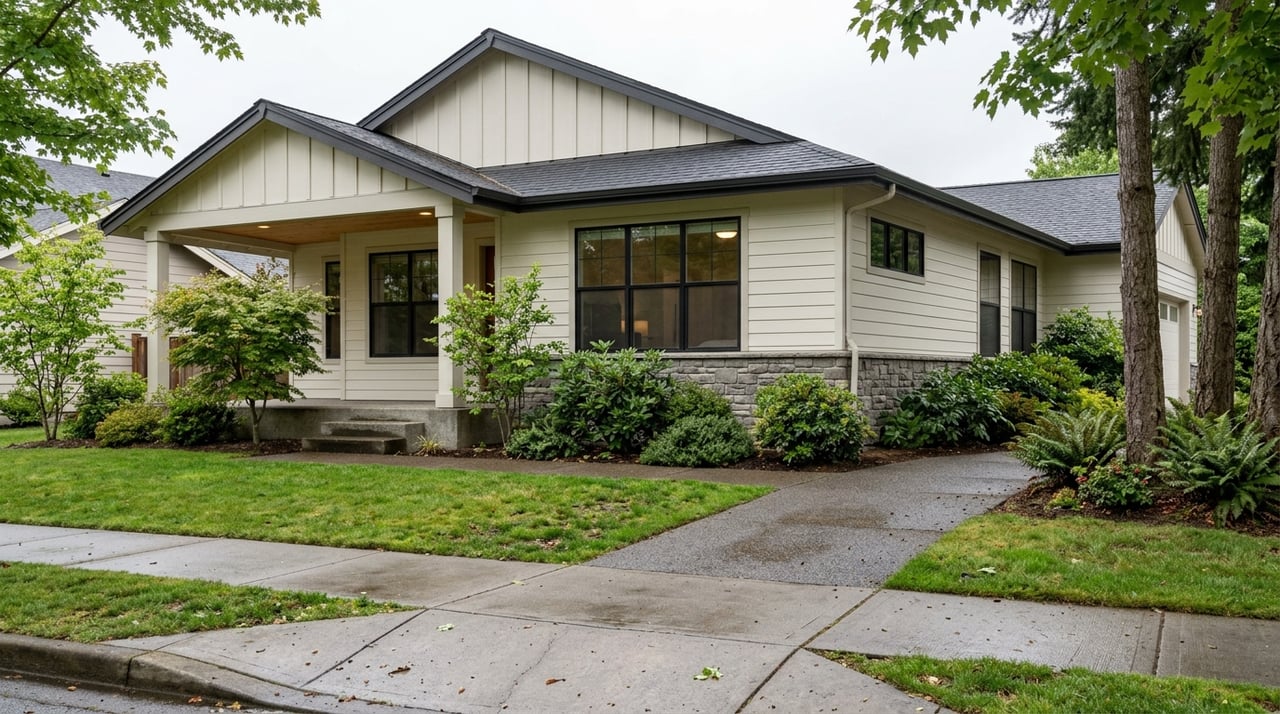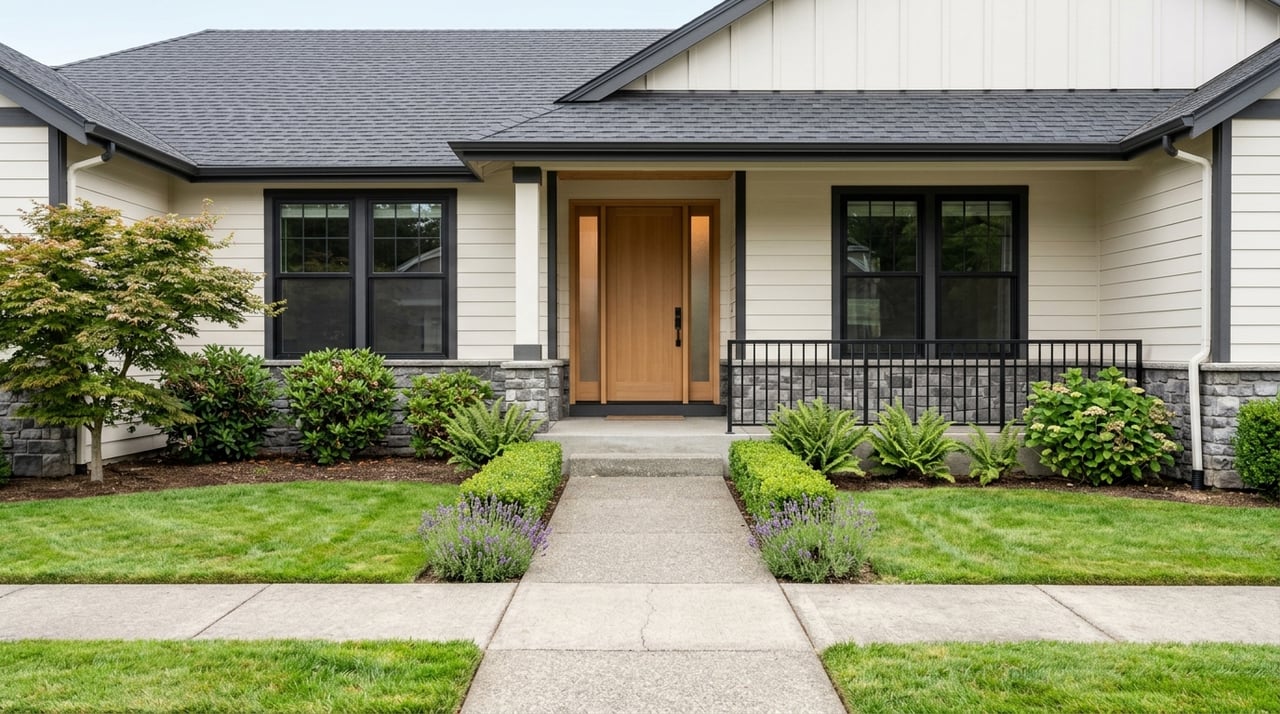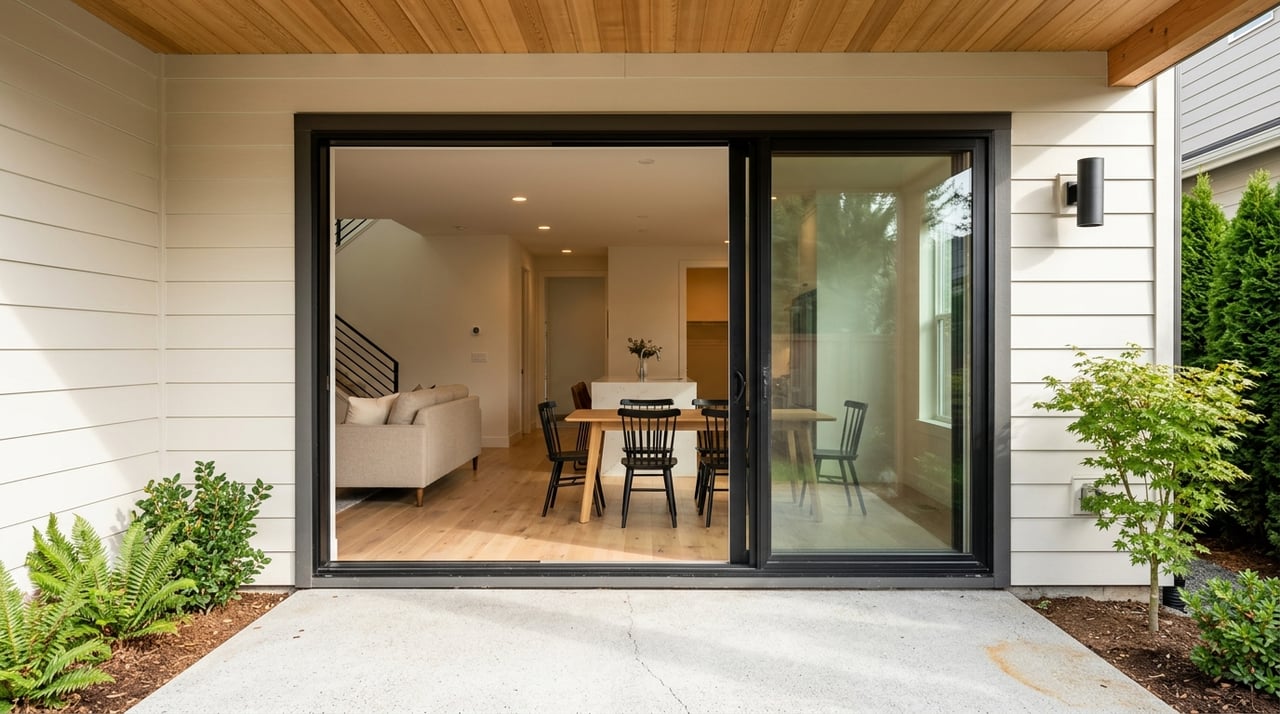
If you work in tech and plan to buy a home on Portland’s west side, this choice can shape your daily routine more than you might expect. Beaverton and Hillsboro both offer strong transit, established neighborhoods, and access to major employers, but they do not feel exactly the same day to day. The good news is that each city has clear strengths, and once you match those strengths to your commute, housing goals, and lifestyle, the decision gets much easier. Let’s dive in.
Why this comparison matters
For many buyers, the biggest factor is where your workday starts and ends. Beaverton is home to Nike’s World Headquarters at One Bowerman Drive, where Nike says its campus opened in 1990 and hosts more than 11,000 employees. Hillsboro is the center of Intel’s Oregon operations, with four campuses and more than 22,000 employees, which Intel describes as the nucleus of its research and development efforts.
That creates a simple first filter. If your schedule revolves around Nike, Beaverton is often the more natural home base. If Intel is your primary destination, Hillsboro usually makes more sense.
Compare commute and transit
Both cities perform well for commuters, and both benefit from strong westside transit access. Census data shows the mean travel time to work is 24.1 minutes in Beaverton and 22.9 minutes in Hillsboro. That gap is small, but it does suggest Hillsboro has a slight edge on citywide commute time.
Transit is a major plus in both places. TriMet says the MAX Blue Line connects Hillsboro, Beaverton, Portland City Center, East Portland, and Gresham, while the MAX Red Line connects Portland International Airport, Portland City Center, Beaverton, and Hillsboro. TriMet also says MAX runs every 15 minutes or less most of the day, every day.
Beaverton transit advantages
Beaverton stands out as a more multimodal transit hub. Beaverton Transit Center connects the MAX Blue Line, MAX Red Line, and WES commuter rail, giving you more options if your routine includes destinations beyond the immediate westside corridor.
WES is especially useful if you travel south for work or errands. TriMet says WES serves Beaverton, Tigard, Tualatin, and Wilsonville on weekdays during morning and afternoon rush hours, with trains every 45 minutes. If direct rail access to both westside and south-metro destinations matters to you, Beaverton has a notable edge.
Hillsboro transit advantages
Hillsboro still offers excellent rail access, especially for buyers focused on the MAX network. Major hubs like Hillsboro Central/SE 3rd Ave Transit Center and Willow Creek Transit Center connect MAX and buses, making it easier to move across the region without relying only on your car.
For many Intel employees, that rail access pairs well with Hillsboro’s job base. If most of your weekly travel stays within Hillsboro, Beaverton, and central Portland, Hillsboro’s transit setup can still be a strong fit.
Look at price and housing stock
Once commute is clear, housing style and price usually become the next deciding factors. Current ACS estimates show owner occupancy is nearly identical in both cities, at 50.5% in Beaverton and 50.2% in Hillsboro. That tells you both cities support a similar mix of owners and renters.
The bigger difference is pricing. The median value of owner-occupied housing units is $569,800 in Beaverton and $521,100 in Hillsboro. Median gross rent is $1,826 in Beaverton and $1,978 in Hillsboro.
Beaverton homes at a glance
Beaverton tends to offer a more established housing base. City and state planning data show a significant share of homes were built before 1980, with about 41% of units falling into that category. That often translates to more mature neighborhoods and older housing stock overall.
For some buyers, that is a plus. You may find homes in more established settings, and you may appreciate Beaverton’s more compact pattern of development if you want to be closer to transit and daily services.
Hillsboro homes at a glance
Hillsboro trends newer overall. City housing analysis shows only 26% of housing was built before 1980, and the city’s 2023 Housing Needs Analysis says 12% of owner housing and 23% of renter housing were built in the last decade. It also says another 50% of both owner and renter units were built in the 1990s and 2000s.
If you want newer floor plans, more recent construction, or a master-planned community feel, Hillsboro may line up better with your search. It also carries a lower current median owner-occupied home value than Beaverton, which can matter if you are comparing monthly payment options.
Understand neighborhood feel
These two cities serve similar buyers, but they often feel different on the ground. Beaverton is smaller and denser, with 19.6 square miles and 4,973.2 people per square mile. Hillsboro is larger, at 25.67 square miles, with 4,146.9 people per square mile.
Those numbers suggest two distinct patterns. Beaverton generally reads as more compact and concentrated, while Hillsboro offers more room for outward suburban growth.
Beaverton feels more compact
Beaverton’s planning work highlights a downtown core centered around Beaverton Central, with redevelopment sites, mixed-use activity, and ground-floor retail near transit. For buyers, that can mean a more connected feel between commuting, errands, and everyday routines.
If you want a setting that feels more urbanized and centered around transit, Beaverton may be the better match. That can be especially appealing if you value having multiple transportation choices during the workweek.
Hillsboro offers more spread and newer growth
Hillsboro’s own planning materials emphasize both Downtown Hillsboro as a historic district and newer mixed-use growth in South Hillsboro. That gives the city a broader footprint, with activity spread across established and newer areas rather than focused around one central hub.
If you like the idea of newer communities and a more suburban growth pattern, Hillsboro may feel more aligned with your preferences. Buyers who want newer subdivisions or planned development areas often start here first.
New construction and housing variety
This is one area where both cities are evolving. Beaverton’s planning work includes middle housing options such as duplexes, triplexes, quadplexes, townhomes, and cottage clusters in applicable zones. The city also points to South Cooper Mountain as a major growth area spanning more than 1,200 acres along the southwestern city limits.
Hillsboro is also expanding housing choice. The city says it has reduced barriers to middle housing to comply with state law, and South Hillsboro is planned for about 8,000 homes across a range of housing types, architectural styles, and price ranges.
For buyers who want new-construction opportunities, both cities deserve attention. Hillsboro may offer the stronger overall case if your priority is newer inventory at scale, while Beaverton may appeal if you want a mix of established areas and targeted growth zones. This is where local guidance can save you time, especially if you want to compare presale opportunities, builder inventory, and resale options side by side.
Which city fits your goals?
The best answer depends on how you rank commute, home style, and daily convenience. Neither city is the universal winner. The right choice is the one that supports your work routine and the way you want to live.
Here is a simple way to think about it:
- Choose Beaverton if you work at Nike, want a more compact setting, value multimodal transit, or feel comfortable with an older and more established housing base.
- Choose Hillsboro if you work at Intel, want newer housing stock, prefer a larger suburban footprint, or want a slightly lower current median owner-occupied home value.
- Compare both closely if you are open to resale and new construction, split time between multiple work locations, or want the best balance of commute and home features.
How to make the final decision
When buyers compare Beaverton and Hillsboro, the smartest next step is to narrow the search based on your real weekly pattern, not just a map. Think about where you go most often, how often you need transit, and whether you prefer older established neighborhoods or newer planned communities.
It also helps to tour both cities with a clear framework. Compare commute routes, housing age, lot size, nearby transit access, and the type of inventory available in your price range. Small differences become much easier to spot when you see them in person.
If you are weighing Beaverton versus Hillsboro for a tech move, builder relationships, local market insight, and a neighborhood-by-neighborhood strategy can make the process faster and less stressful. Connect with Tamiko Warren for a personalized consultation on westside communities, resale options, and new-construction opportunities.
FAQs
Is Beaverton better than Hillsboro for Nike employees?
- Beaverton is often the more natural fit for Nike employees because Nike’s World Headquarters is in Beaverton.
Is Hillsboro better than Beaverton for Intel employees?
- Hillsboro is usually the stronger match for Intel employees because Intel’s Oregon operations are concentrated across four Hillsboro campuses.
Are Beaverton and Hillsboro similar in home prices?
- They are relatively close, but current ACS estimates show a higher median owner-occupied home value in Beaverton at $569,800 versus $521,100 in Hillsboro.
Which city has newer homes, Beaverton or Hillsboro?
- Hillsboro generally has newer housing stock, based on city housing analysis showing a smaller share of pre-1980 homes and more recent construction activity.
Does Beaverton or Hillsboro have better transit for commuters?
- Both have strong MAX access, but Beaverton has an added advantage for some commuters because Beaverton Transit Center connects MAX Blue, MAX Red, and WES commuter rail.